


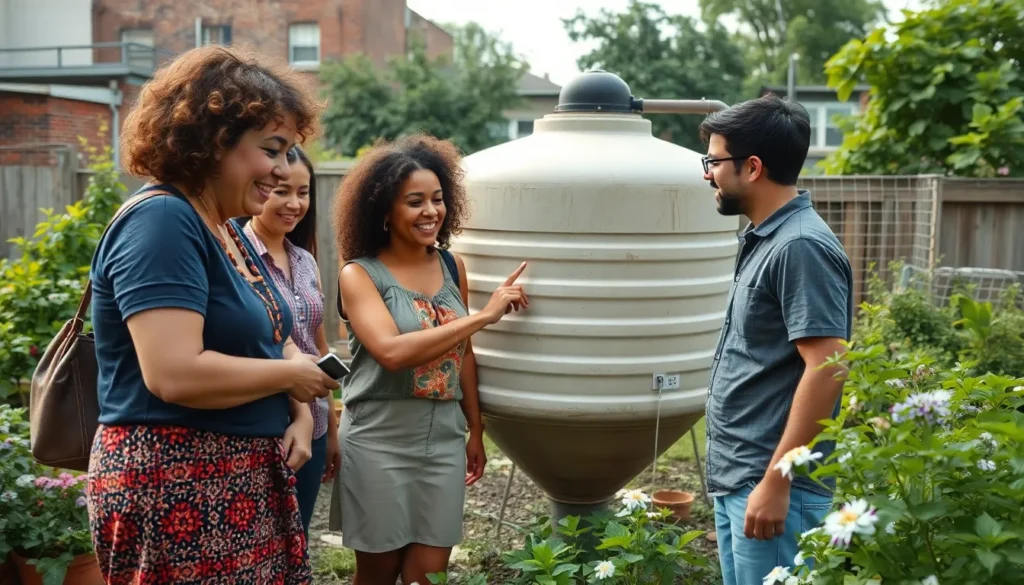
Water, the elixir of life, is becoming scarcer by the day. With climate change and population growth, our precious resource is in hot water—pun intended! It’s time to dive into sustainable water solutions that not only quench our thirst but also keep our planet happy.
Imagine a world where every drop counts and innovative technologies transform waste into wonder. From rainwater harvesting to advanced filtration systems, sustainable practices are making waves. Not only do these solutions save water, but they also save money, proving that being eco-friendly can be downright wallet-friendly.
Join the movement toward smarter water use and discover how these solutions can turn the tide on water scarcity. After all, who wouldn’t want to be the hero that saves the day—one drop at a time?
Table of Contents
ToggleOverview of Sustainable Water Solutions
Sustainable water solutions focus on effective strategies to mitigate water scarcity, addressing both environmental and socio-economic challenges. Rainwater harvesting systems capture and store rain for later use, significantly reducing dependence on traditional water supplies. Advanced filtration technologies enhance water quality, ensuring safe access for communities while minimizing wasted resources.
Innovative irrigation techniques promote efficient water use in agriculture, such as drip irrigation and soil moisture management. These practices reduce water consumption and improve crop yields. Greywater recycling allows households and businesses to reuse water from sinks or showers for irrigation and toilet flushing, further conserving freshwater sources.
Water-efficient appliances play a critical role in reducing overall water usage in homes. Flow-restricting fixtures and energy-efficient washing machines can cut daily water consumption by up to 30%. Public awareness campaigns drive community engagement and emphasize the importance of water conservation practices.
Partnerships among governments, NGOs, and local communities foster shared responsibility in managing water resources. Investment in infrastructure upgrades and sustainable technologies creates long-lasting improvements in water security. Policymaking that prioritizes environmental conservation encourages responsible water management.
Research into climate-resilient practices helps communities adapt to changing weather patterns. Solutions such as eco-friendly desalination techniques offer freshwater alternatives, especially in coastal regions. Supporting sustainable water initiatives ultimately enhances ecological health while ensuring equitable access for all.
Importance of Sustainable Water Solutions
Sustainable water solutions play a critical role in addressing the global water crisis. The urgency to adopt these solutions becomes clearer with the escalating effects of climate change and increasing population demands.
Environmental Impact
Sustainable water solutions significantly reduce environmental degradation. Implementing rainwater harvesting and advanced filtration systems lowers reliance on depleting groundwater sources. Ecosystems benefit when innovative irrigation techniques like drip irrigation conserve water by minimizing waste. Water-efficient appliances reduce daily consumption, leading to less strain on natural resources. Reduction in sewage discharge occurs when greywater recycling is adopted, improving water quality in local waterways. Communities gain resilience against climate variability, reinforcing the need for integrated water management strategies.
Economic Benefits
Adopting sustainable water solutions yields substantial economic advantages. Rainwater harvesting systems lower water bills, making them financially attractive. Advanced filtration technologies enhance the usability of existing water supplies, reducing the economic burden on water treatment facilities. Implementing efficient irrigation practices can lead to increased crop yields and reduced operational costs for farmers. Additionally, water-efficient appliances lower utility costs for households, allowing families to allocate funds to other essential needs. Investment in sustainable technologies fosters job creation in green industries, ultimately contributing to long-term economic stability.
Types of Sustainable Water Solutions
Various sustainable water solutions address the challenges of scarcity due to climate change and population growth. Effective practices include rainwater harvesting, water recycling, and innovative desalination technologies.
Rainwater Harvesting
Rainwater harvesting systems capture rainwater for direct use in irrigation, flushing toilets, and household needs. They reduce dependence on conventional water supplies, promoting sustainability. Implementing these systems saves money and minimizes the demand on municipal water sources. Communities can enhance their resilience against drought by utilizing this natural resource efficiently. Importantly, rainwater harvesting systems work effectively in diverse climates, making them versatile solutions for many regions.
Water Recycling and Reuse
Water recycling and reuse involve treating wastewater for safe, secondary uses like irrigation and industrial processes. This practice significantly lowers freshwater demand, conserving valuable water resources. Greywater systems, for instance, allow households to redirect water from sinks and showers for irrigation. Utilizing recycled water also prevents pollution and decreases the load on sewage treatment plants, leading to a healthier environment. Communities adopting such practices benefit from increased water availability and reduced bills.
Desalination Technologies
Desalination technologies convert seawater into freshwater, offering a solution for arid regions facing severe water shortages. Recent advancements improve efficiency and reduce costs associated with desalination. Some methods utilize renewable energy sources, promoting environmental sustainability. This approach provides a consistent water supply for agriculture and drinking needs. In coastal areas, adopting desalination can help mitigate the impacts of rising sea levels on freshwater sources. Communities can significantly enhance their resilience by investing in these technologies.
Challenges in Implementing Sustainable Water Solutions
Implementing sustainable water solutions faces various challenges that must be addressed to ensure success.
Financial Constraints
Funding remains a significant obstacle for many communities attempting to adopt sustainable water solutions. Limited budgets hinder investments in advanced systems like rainwater harvesting and innovative irrigation methods. Many regions also lack access to grants or financial resources that support these initiatives. High initial costs may discourage stakeholders from pursuing long-term benefits, despite the potential for cost savings. Communities with fewer financial resources often struggle to prioritize water sustainability amidst competing demands.
Technological Barriers
Technological challenges also hamper the adoption of sustainable water systems. Many existing infrastructures require substantial upgrades to integrate new technologies effectively. Insufficient technical knowledge limits the ability of communities to implement sophisticated systems, like advanced filtration or water recycling methods. Many technologies also lack widespread availability, particularly in rural or underserved areas. This disparity can slow progress towards efficient water management. Collaboration among governments, NGOs, and local experts plays a crucial role in bridging these gaps while maximizing resource utilization.
Future of Sustainable Water Solutions
Innovations in sustainable water solutions are transforming how communities manage their water resources. Emerging technologies and practices play a crucial role in addressing the water crisis.
Innovations and Trends
Smart irrigation systems utilize sensors and weather data to optimize water usage, reducing waste significantly. Rainwater harvesting innovations improve efficiency, capturing and storing larger amounts of rainwater for diverse applications. Advanced filtration technologies ensure water quality is maintained across various settings. Biodegradable water-efficient appliances minimize daily consumption, integrating sustainability into everyday life. Reclaimed water reuse systems treat and recycle wastewater, granting secondary uses like irrigation or industrial processes. These innovations collectively enhance resilience against climate variability and contribute to long-term water sustainability.
Policy Recommendations
Policymakers should prioritize funding for sustainable water infrastructure. Financial incentives for communities adopting innovative practices promote wider implementation. Education and training programs must address technical knowledge gaps among stakeholders to boost adoption. Collaborative partnerships among government entities, NGOs, and local organizations create effective frameworks for resource management. Incentivizing research into emerging technologies can enhance water quality and efficiency. Policymakers must focus on regulations that encourage water conservation and the adoption of eco-friendly practices, ensuring equitable access for all communities.