


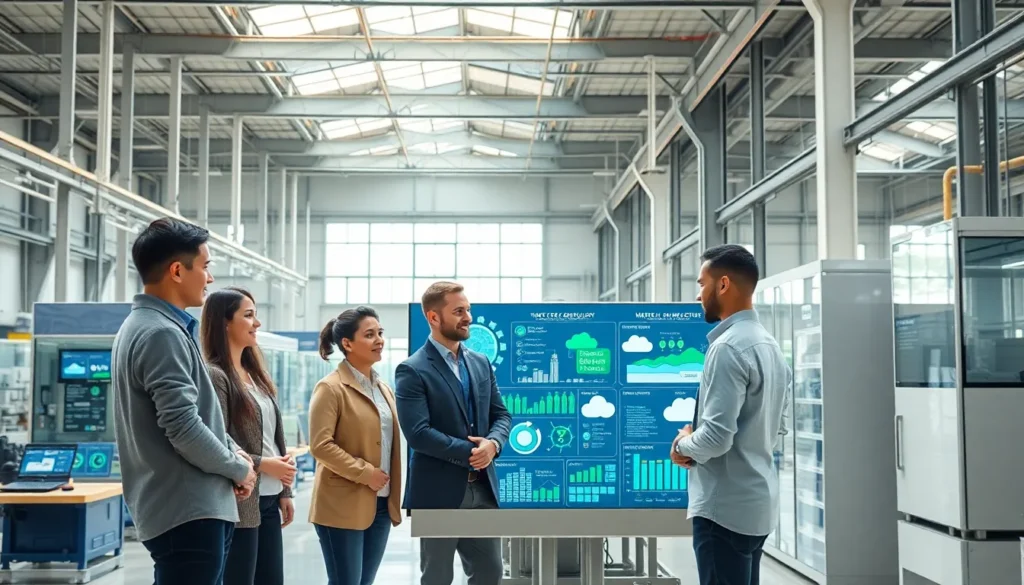
Sustainable manufacturing technology isn’t just the latest buzzword, it’s the future of how goods are produced. Imagine a world where factories emit fewer pollutants, use less energy, and are as eco-friendly as your favorite biodegradable coffee cup. Sounds great, right? Well, it’s time to roll up your sleeves and jump into the exciting world of sustainable manufacturing, where innovation meets responsibility. Stick around as we explore what makes manufacturing sustainable, the principles behind it, and how companies are navigating this green frontier. Who knows, you might just be inspired to turn your business practices a shade greener.
Understanding Sustainable Manufacturing
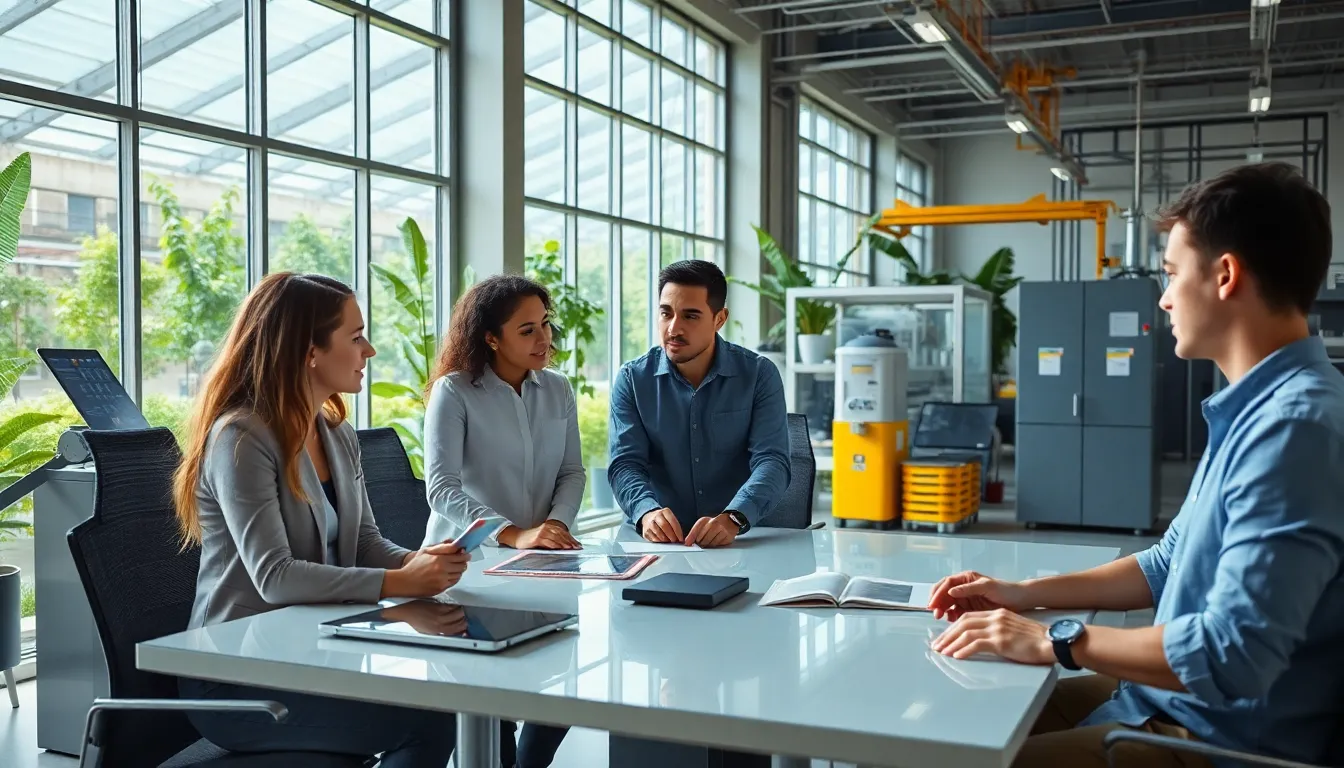
Sustainable manufacturing involves creating products in a way that minimizes negative environmental impacts while conserving energy and natural resources. It’s a balancing act between meeting the needs of today without compromising the ability of future generations to meet theirs. This concept encompasses everything from reducing waste and emissions to improving workplace safety and ensuring ethical labor practices. Sustainability isn’t just about being ‘green’: it’s about nurturing a healthy ecosystem, supporting social equity, and fostering economic growth.
In practice, sustainable manufacturing means integrating sustainability principles into the entire production process, from selecting raw materials to distributing finished goods. The goal is to enhance the overall sustainability of the entire supply chain. Companies are increasingly recognizing that sustainable practices can lead to greater efficiency, reduced costs, and a positive corporate image.
Key Principles of Sustainable Manufacturing
Several key principles underpin sustainable manufacturing. At the heart of it all lies the reduction of material and energy consumption. Factories leverage energy-efficient technologies and processes that not only save money but also light up the path toward a greener future.
Another principle is waste minimization. The mantra of ‘reduce, reuse, recycle’ resonates loudly here. Manufacturers strive to cut down on waste by optimizing production processes, recycling materials, and using alternative resources. This is not just a responsibility but an opportunity to turn waste into profit.
Life cycle assessment is also vital, it involves evaluating a product’s environmental impact from cradle to grave. This comprehensive approach ensures that manufacturers are aware of the consequences of their production choices. Companies are now compelled to think long-term, considering the implications of their manufacturing processes on the environment.
Advancements in Sustainable Manufacturing Technology
Recent advancements in sustainable manufacturing technology make it an exciting field full of innovation. For instance, additive manufacturing, or 3D printing, is revolutionizing how products are made. This technology allows for precise material usage, which reduces waste significantly. Besides, it can streamline production by enabling on-demand manufacturing, so limiting overproduction.
Smart manufacturing is another game-changer. By utilizing the Internet of Things (IoT), manufacturers can monitor real-time data to optimize energy consumption and machine efficiency. To put it simply, machines are being taught to be more intelligent, promoting a greener approach.
Also, the rise of renewable energy sources, like solar and wind power, is crucial. Factories powered by renewable energy sources significantly cut carbon footprints, making them more sustainable. Companies are investing in solar panels and wind turbines to lead the charge in reducing dependency on fossil fuels.
Impact of Sustainable Manufacturing on Business Practices
The shift toward sustainable manufacturing has profound effects on business practices. Companies that carry out sustainable methods often experience improved operational efficiency. With reduced energy and material costs, manufacturers can enhance their bottom line. Sustainability can actually pay off, who knew being green could be so profitable?
Also, embracing sustainable practices can bolster a company’s reputation. Today’s consumers are more informed and make purchasing decisions based on corporate responsibility. Businesses that prioritize sustainability not only attract customers but also retain them, it’s a win-win situation.
Also, sustainability fosters innovation. As businesses strive to meet sustainability goals, they often discover new, more efficient ways to produce goods. This creates a culture of creativity and improvement, encouraging employees to think outside the box.
Challenges and Solutions in Implementing Sustainable Manufacturing
Even though its benefits, implementing sustainable manufacturing is not without challenges. One of the primary hurdles is the initial investment cost. Upgrading machinery, retraining employees, and sourcing sustainable materials can strain budgets. But, it’s crucial to view this as a long-term investment rather than a short-term expense.
Also, the lack of standardized metrics for measuring sustainability poses a problem. Many companies struggle to assess their performance accurately, making it hard to know where to improve. Establishing clear metrics can help guide efforts toward sustainability.
Another challenge is the availability of sustainable materials. Sourcing materials that meet sustainability criteria can be difficult, but partnerships with suppliers who prioritize eco-friendly practices can mitigate this issue. Communication and collaboration throughout the supply chain are essential for overcoming these obstacles.
Future Trends in Sustainable Manufacturing Technology
Looking ahead, the future of sustainable manufacturing appears promising, with several exciting trends on the horizon. Circular manufacturing is gaining traction, where products are designed for longevity and recyclability. At the end of their life cycle, these products can be restored, so minimizing waste.
Digital twins, a virtual representation of physical processes, are expected to play a major role. By simulating manufacturing processes, businesses can identify inefficiencies before they occur, enabling proactive adjustments.
Also, advancements in biotechnology may revolutionize materials used in manufacturing. Biodegradable plastics and organic materials could soon become the norm, rendering unsustainable alternatives obsolete. As these trends develop, manufacturers are likely to witness a transformation in their production processes, leading to a more sustainable future.