


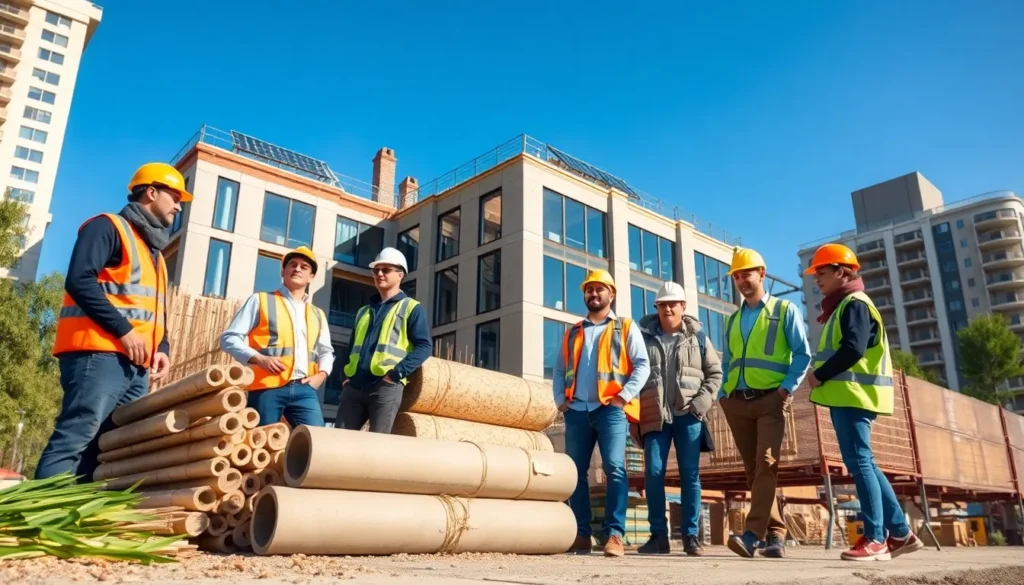
Imagine a world where buildings breathe, materials waste is a thing of the past, and energy runs on sunshine. Sounds like a scene from a sci-fi movie, right? Well, welcome to the reality of sustainable construction technology. As the construction industry awakens to its environmental impact, innovative technologies are transforming how we build our cities. Join us as we explore the essential aspects of sustainable construction, the key technologies driving change, and the exciting future that awaits us all. Spoiler alert: it’s greener than ever.
Overview of Sustainable Construction
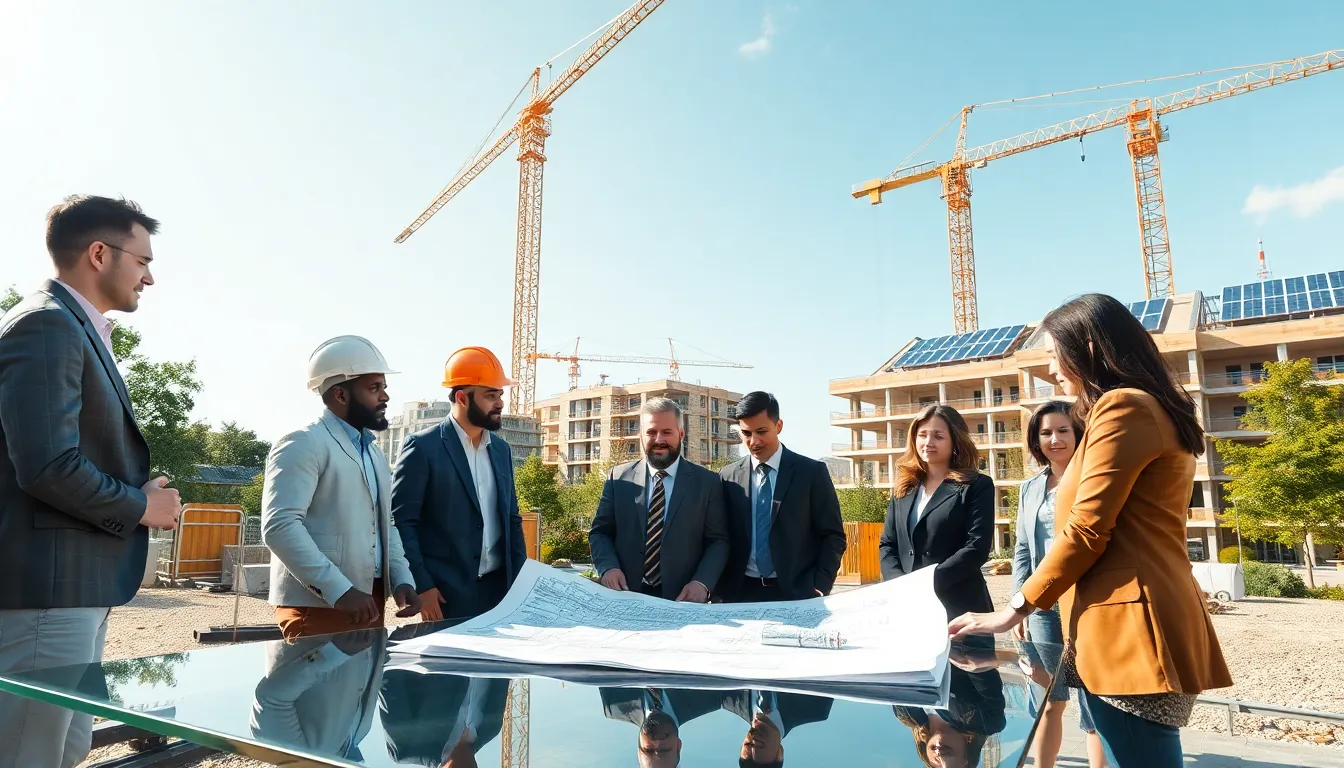
Sustainable construction refers to the planning, design, construction, and operation of a building in a manner that minimizes adverse environmental impacts while maximizing resource efficiency. This approach goes beyond merely adhering to building codes: it encompasses a holistic view of a project’s lifecycle. Sustainable practices not only aim to reduce carbon footprints but also enhance the quality of life for occupants and nearby communities. The trend is growing stronger due to various factors, including environmental regulations, rising energy costs, and an increasing awareness of climate change, prompting a collective shift towards more responsible building methods.
Importance of Sustainability in Construction
Why should we care about sustainability in construction? The numbers tell a compelling story. The construction industry is responsible for nearly 40% of global carbon emissions. This staggering statistic highlights the urgent need for change. Also, sustainable construction can lead to significant cost savings over time through reduced energy consumption and lower maintenance costs. Beyond economics, sustainable construction helps create healthier living environments by using non-toxic materials, improving indoor air quality, and maintaining energy efficiency. Eventually, embracing sustainability in construction supports the well-being of future generations and promotes ecosystem preservation. Think of it as a way to build legacies that last.
Key Technologies in Sustainable Construction
Several technologies are leading the charge in transforming traditional building practices into sustainable ones.
Renewable Energy Integration
One of the most impactful solutions is the integration of renewable energy sources, such as solar and wind energy. Solar panels, for example, have become commonplace on rooftops across the nation, helping buildings generate clean energy. Innovations such as solar glass not only harness energy but also serve as functional building materials. Wind turbines are making their mark too, efficiently powering everything from single-family homes to commercial developments.
Smart Building Materials
Smart materials are taking sustainable construction to the next level. These materials adapt to environmental changes and significantly enhance efficiency. For instance, phase-change materials can store and release thermal energy, allowing buildings to regulate temperature more effectively. Also, the rise of bio-based materials such as bamboo and recycled plastics is paving the way for eco-friendly alternatives to traditional building products.
Waste Management and Recycling Technologies
Effective waste management and recycling technologies are fundamental in sustainable construction. Techniques such as modular construction not only minimize waste but also streamline the building process. Factory-prefabricated modules can be reused or repurposed, further reducing landfill contributions. Also, innovative recycling technologies are turning discarded materials into valuable construction resources, closing the loop in the building lifecycle.
Case Studies of Sustainable Construction
Several projects exemplify the successful application of sustainable construction principles.
One notable example is the Bosco Verticale in Milan, Italy. This pair of residential towers boasts integrated vertical gardens that contribute to air purification and biodiversity while enhancing aesthetic appeal. Each apartment has its own balcony filled with plants, which supports both residents and local wildlife.
Another inspirational project is the Bullitt Center in Seattle, dubbed the “greenest commercial building in the world.” This building uses solar panels for all its power needs, collects rainwater for plumbing use, and has advanced composting systems. Its design is so effective that, in its first year, the Bullitt Center proved that buildings could generate as much energy as they consume.
Challenges and Solutions in Sustainable Construction
Even though the momentum, sustainable construction faces numerous challenges. One significant barrier is the upfront cost. Sustainable building materials and technologies can often have a higher initial price tag, leading many developers to hesitate. But, as the market matures, the long-term savings and potential return on investment are compelling arguments for shifting to sustainable methods.
Another challenge is the lack of skilled labor. With new technologies comes the need for specialized training. Addressing this skills gap will require collaboration between governments, educational institutions, and industry leaders to develop comprehensive training programs. Incentives for training in sustainable practices can help build a knowledgeable workforce prepared for the future.
Future Trends in Sustainable Construction Technology
As the world looks ahead, several trends are emerging in sustainable construction technology. One trend involves increasing automation and smart technologies in building design. Innovations such as artificial intelligence and Building Information Modeling (BIM) are not only streamlining design processes but also enhancing project planning and execution.
Also, circular economy principles are gaining traction. This model focuses on minimizing waste and maximizing resource use through recycling, refurbishment, and reuse. The possibility of 3D printing buildings using recycled materials also opens exciting new avenues for sustainable construction.
Finally, the implementation of stricter building regulations focused on sustainability will push construction projects towards greener practices. Governments worldwide are beginning to recognize the urgent need for sustainable development, creating a regulatory environment that will drive innovation.