



In a world where even your toaster can have a personality, smart technology ecosystems are the new frontier of convenience and connectivity. Imagine a home where your fridge reminds you to buy milk while your lights adjust to your mood—it’s like living in a sci-fi movie, minus the flying cars. These ecosystems are transforming everyday life, making it easier, smarter, and a bit more fun.
But it’s not just about gadgets chatting with each other; it’s about creating a seamless experience that enhances daily routines. From managing energy consumption to simplifying home security, smart technology ecosystems are designed to make life smoother. So buckle up and get ready to dive into the fascinating world of smart tech, where innovation meets practicality—and maybe even a dash of humor.
Overview of Smart Technology Ecosystems
Smart technology ecosystems consist of interconnected devices that communicate to improve user experiences. These systems integrate various smart gadgets such as appliances, security cameras, and light bulbs. Devices work together seamlessly, enhancing convenience and efficiency in everyday tasks.
Households benefit significantly from these ecosystems. For example, a smart thermostat learns user preferences, optimizing energy usage while maintaining comfort. Smart lighting systems adjust automatically based on occupancy, reducing energy waste.
Connectivity plays a crucial role in the functionality of these ecosystems. Wireless communication technologies, including Wi-Fi and Bluetooth, enable devices to share data instantaneously. Coordinated actions are taken through mobile apps or voice commands, making management easy for users.
Privacy and security also become essential aspects of smart technology ecosystems. Manufacturers take steps to encrypt data and protect user information. Proactive measures mitigate vulnerabilities that could compromise device integrity.
Compatibility among various brands improves user accessibility. Many consumers appreciate products that integrate regardless of the manufacturer. This flexibility allows for the creation of personalized systems tailored to specific needs.
Overall, smart technology ecosystems redefine how individuals interact with their environments. Increased automation and intelligent features contribute to energy management, security, and overall lifestyle improvements. Enhanced capabilities lead to a more enjoyable and efficient daily routine for users.
Key Components of Smart Technology Ecosystems
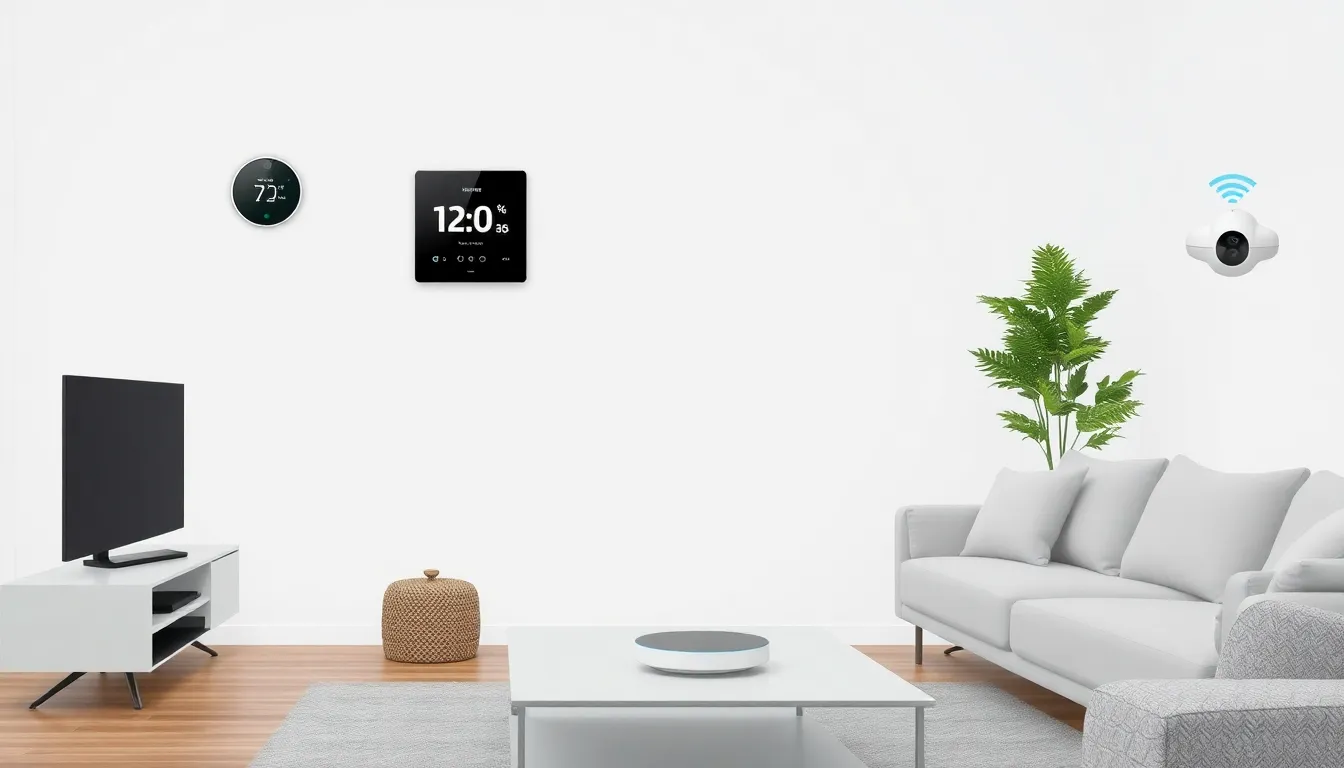
Smart technology ecosystems incorporate various elements that work together to enhance convenience and efficiency. These components include the Internet of Things, artificial intelligence, and data analytics.
Internet of Things (IoT)
IoT connects everyday devices, allowing them to communicate and interact. Smart thermostats optimize energy by adjusting settings based on user habits. Appliances such as refrigerators monitor food freshness and suggest shopping lists. Security cameras provide real-time alerts and integrate with alarms for enhanced safety. Each connected device contributes to an ecosystem where seamless communication simplifies daily tasks.
Artificial Intelligence (AI)
AI powers smart technology ecosystems by enabling devices to learn from user behavior. This learning allows smart speakers to understand voice commands and respond effectively. AI-driven algorithms can analyze data to predict energy needs, optimizing consumption in homes. Compatibility among different systems enhances overall functionality, ensuring devices cooperate efficiently. Enhanced automation leads to a more intuitive user experience, making technology truly smart.
Data Analytics
Data analytics gathers and interprets information from connected devices, delivering insights for users. Routine patterns become evident through analyzing energy usage and device interactions. Customized notifications alert users to potential issues, such as excessive energy consumption or security breaches. Recognizing these trends allows individuals to adapt their habits and improve efficiency. Overall, data analytics plays a crucial role in maximizing the benefits of smart technology ecosystems.
Benefits of Smart Technology Ecosystems
Smart technology ecosystems offer significant advantages, transforming how individuals manage their homes and daily tasks. These systems save time and resources by creating a seamless integration of devices.
Enhanced Efficiency
Efficiency improves through better energy management. Smart thermostats adjust heating and cooling based on user preferences and occupancy patterns. Households reduce energy bills as the system learns and adapts, optimizing usage. Appliances communicate with each other, allowing coordinated operations. For example, smart dishwashers may run during off-peak hours, contributing to cost savings. Additionally, real-time monitoring of energy consumption empowers users with insights to make informed decisions. Resources used more wisely leads to sustainable living.
Improved User Experience
User experience elevates significantly in a smart technology ecosystem. Integrating various devices like smart speakers, security systems, and lights increases convenience. A simple voice command or mobile app interaction can control multiple devices instantly. Personalization enhances satisfaction as the system learns preferences, adjusting settings automatically. For instance, smart lighting may shift to warmer tones in the evening, creating a cozy atmosphere. Anticipating user needs fosters a more intuitive interaction between individuals and their environments. Overall, streamlined processes contribute to a more enjoyable and connected lifestyle.
Challenges in Implementing Smart Technology Ecosystems
Implementing smart technology ecosystems presents several challenges that users and manufacturers face.
Security Concerns
Security concerns rank high among challenges in smart technology ecosystems. Many connected devices collect sensitive data, making them prime targets for cyberattacks. It’s crucial for manufacturers to implement robust encryption methods to safeguard user information. Regular software updates also play a vital role in addressing vulnerabilities as new threats emerge, protecting consumers from potential risks. Users should be aware of data privacy policies, which vary across brands and devices. Maintaining control over personal information is essential for confidence in smart technologies.
Interoperability Issues
Interoperability issues arise when devices from different manufacturers fail to communicate effectively. Compatibility is essential for a seamless user experience. Smart technology ecosystems often involve devices that operate on various communication protocols, leading to connectivity problems. Ensuring that devices can work together enhances flexibility and prevents instances of isolated systems. Several manufacturers adopt common standards, yet gaps still exist. Consumers benefit from solutions that allow for easier integration of devices, leading to a more cohesive ecosystem overall.
Future Trends in Smart Technology Ecosystems
Emerging trends in smart technology ecosystems shape the way individuals interact with their devices. An increasing focus on sustainability promotes energy-efficient systems. Smart appliances not only reduce consumption but also adapt to users’ habits, optimizing energy usage without sacrificing comfort.
Integration of advanced artificial intelligence transforms user experience. AI algorithms predict preferences, personalizing interactions with devices. Voice-activated assistants grow not only in popularity but also in capability, performing complex tasks through simple commands.
Data security gains prominence as users prioritize privacy. Manufacturers increasingly implement robust security protocols, ensuring data encryption safeguards sensitive information. Regular software updates further enhance device security, minimizing vulnerabilities.
Interoperability remains a key challenge addressed by ongoing trends. Platforms that support multiple brands create seamless experiences for users. Improved compatibility fosters greater accessibility, allowing households to streamline device communication effectively.
User health and wellness become significant aspects of smart technology ecosystems. Wellness monitoring features integrated into smart devices track fitness goals and provide real-time feedback. Users find motivation and support in their connected ecosystems as they strive for healthier lifestyles.
Finally, the rise of the smart home market propels innovation forward. With billions of devices projected to connect within the next few years, scalability emerges as a vital consideration. Companies continuously develop new solutions to meet consumer demands for convenience and efficiency within these systems.
Smart technology ecosystems are revolutionizing how individuals manage their homes and daily tasks. By seamlessly integrating devices and leveraging advanced technologies, these ecosystems enhance convenience and efficiency. As users embrace these innovations, they can enjoy improved energy management and personalized experiences that cater to their preferences.
While challenges such as security and interoperability persist, ongoing advancements promise to create more cohesive systems. With a growing emphasis on sustainability and user wellness, the future of smart technology ecosystems looks bright. As more devices connect and manufacturers prioritize robust security measures, users can expect a more secure and enjoyable smart home experience. The evolution of these ecosystems will undoubtedly continue to shape the way people interact with their environments.