


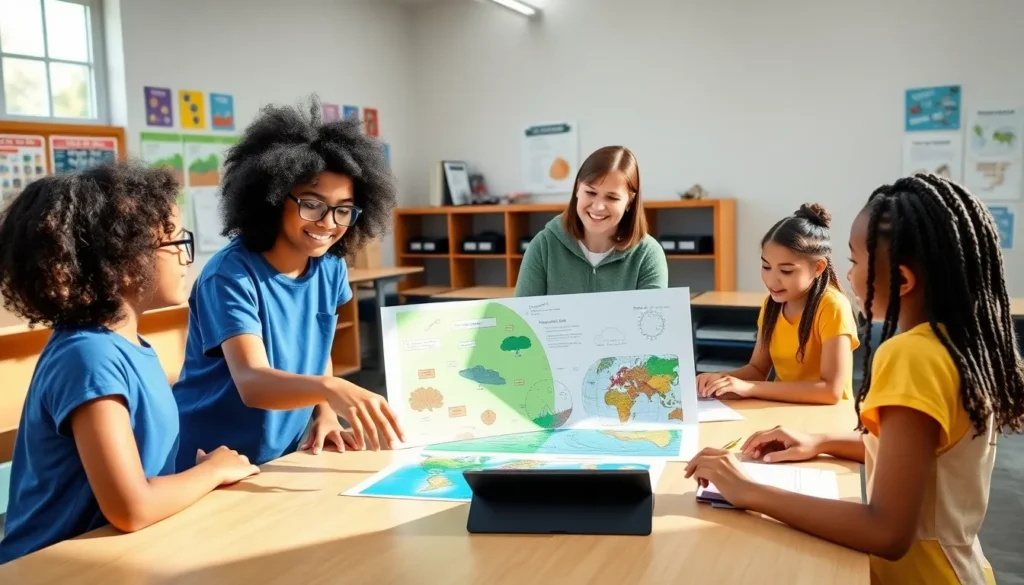
In an era where educational methodologies are constantly evolving, integrated science education emerges as a critical approach to fostering a comprehensive understanding of scientific concepts. This approach emphasizes the interconnections among various scientific disciplines, encouraging students to see the bigger picture rather than viewing subjects in isolation. With the introduction of platforms like Redwebzine, there’s a unique opportunity to enhance this educational strategy, making science more engaging and accessible. This article delves into the potential benefits and challenges of integrating Redwebzine into science education, illuminating the pathway towards a more unified learning experience.
Understanding Integrated Science Education
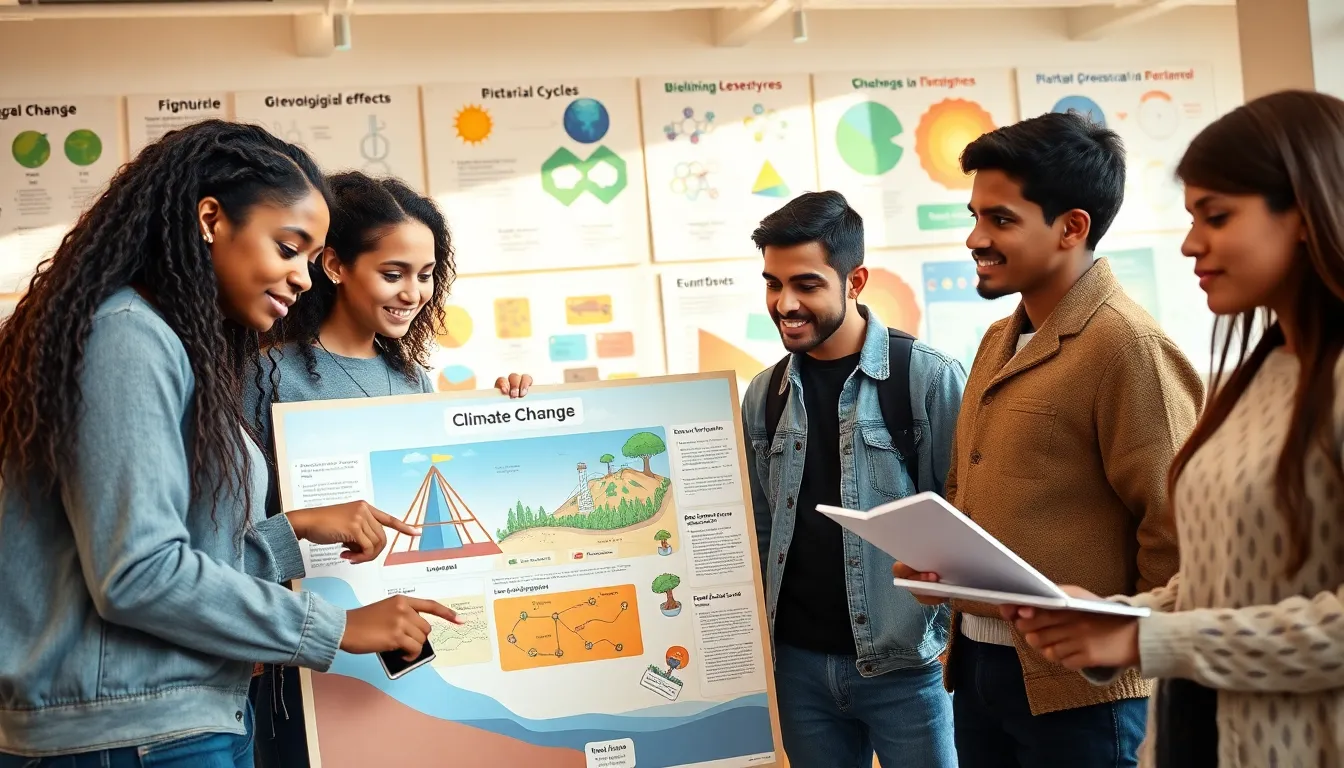
Integrated science education is an innovative instructional strategy that aims to break down the barriers between individual scientific disciplines, such as biology, chemistry, physics, and earth sciences. Instead of teaching these subjects in isolation, integrated science education seeks to present them as interconnected fields of knowledge. This approach aligns with how scientists approach real-world problems, promoting critical thinking and problem-solving skills among students.
For students, integrated science education can lead to a deeper understanding of scientific concepts through the exploration of themes and projects that encompass multiple disciplines. For instance, a project on climate change could integrate principles from biology (ecosystems), chemistry (atmospheric changes), and physics (energy transfer), providing a rich, interdisciplinary perspective that fosters critical inquiry.
Eventually, this holistic approach to teaching science can help students make connections between what they learn in the classroom and the world around them, preparing them for future academic and career pursuits in the sciences.
The Role of Redwebzine in Science Education
Redwebzine serves as a dynamic platform that integrates multimedia resources into the science education landscape, providing both educators and students with valuable tools to enhance learning. By combining articles, videos, and interactive elements, Redwebzine can make scientific concepts more relatable and easier to grasp.
The platform encourages collaborative learning through its community features, enabling students to share ideas, ask questions, and engage in discussions around scientific topics. Such interactions not only build a sense of community but also promote critical thinking by encouraging learners to view problems from various perspectives.
Also, Redwebzine can regularly update its content, ensuring that students and educators have access to the latest scientific advancements and discussions. This responsiveness to emerging trends in science helps keep the educational material fresh and relevant, invigorating the learning experience.
Benefits of Integrated Science Education
The adoption of integrated science education offers numerous advantages that can transform the classroom experience and enhance student learning outcomes. Foremost among these is the cultivation of critical thinking skills. By integrating various scientific fields, students learn to analyze complex problems, evaluate evidence, and make informed decisions rather than simply memorizing isolated facts.
Also, integrated science education promotes engagement and motivation. Students are often more excited about learning when they can see the real-world applications of what they study. For example, projects that require them to design sustainable energy solutions or study local ecosystems can spark curiosity and initiative, encouraging deeper exploration of scientific topics.
Another key benefit is the development of collaborative skills. Many integrated science projects require teamwork, fostering communication and cooperation among students. These skills are essential in today’s interconnected world, where scientific endeavors often require interdisciplinary collaboration.
Implementing Redwebzine in the Classroom
Successfully integrating Redwebzine into the classroom requires thoughtful planning and execution. Educators can begin by identifying specific scientific themes or units that would benefit from the platform’s multimedia resources. For instance, teachers might decide to focus on environmental science, utilizing Redwebzine’s articles and videos to provide a robust foundation.
To maximize the impact of Redwebzine, teachers can develop lesson plans that incorporate activities using the platform’s interactive features. For instance, students can collaborate on projects, share findings, and discuss their insights through Redwebzine’s forums. This kind of active engagement not only promotes deeper understanding but also aligns with the principles of constructivist learning, where students build knowledge through experiences.
Besides, educators can assess student learning by encouraging reflections and discussions based on content accessed through Redwebzine, allowing for continuous feedback and improvement of instructional approaches.
Challenges and Solutions in Integrated Science Education
While the benefits of integrated science education and platforms like Redwebzine are clear, challenges also exist. One primary challenge is the potential lack of teacher preparedness. Many educators may feel unequipped to teach integrated science due to disciplinary specialization or a lack of training in interdisciplinary approaches.
To tackle this, professional development programs can be implemented, equipping teachers with the skills and confidence needed to embrace integrated science education. Workshops and fellowships that focus on collaborative planning and interdisciplinary teaching strategies can help teachers gain valuable insights and resources.
Another challenge is ensuring that all students have equal access to technology. In some regions, disparities in access to the internet or devices can limit students’ ability to use platforms like Redwebzine effectively. Addressing this issue may involve partnering with local governments or organizations to provide necessary resources and ensure all students can benefit from integrated learning opportunities.
Future Trends in Integrated Science Education
Looking ahead, the landscape of integrated science education is poised for significant growth, particularly as technology continues to advance. Emerging trends include the increased use of virtual reality (VR) and augmented reality (AR), which can immerse students in interactive scientific experiences that traditional classrooms cannot provide.
Also, there is a growing emphasis on personalized learning, which integrates integrated science content tailored to individual student interests and learning styles. Platforms like Redwebzine could play a vital role by utilizing data analytics to suggest resources and learning paths for each student.
Besides, as global challenges such as climate change become more pressing, integrated science education will likely expand to address these issues head-on. This might involve collaborative projects that connect students across the globe, fostering a greater understanding of how scientific knowledge can contribute to solving real-world problems.
Conclusion
To conclude, the integration of platforms like Redwebzine into science education heralds a transformative approach to teaching and learning. By embracing an integrated science curriculum, educators can nurture critical thinkers who are well-prepared to engage with the complexities of the modern world. Even though the challenges, the benefits of enhanced engagement, collaboration, and real-world relevance make this educational strategy a worthy pursuit. As technology continues to evolve and educational methods expand, the potential for integrated science education to revolutionize classrooms is more promising than ever.