



When it comes to technology, older adults often feel like they’re trying to decipher an alien language. With so many options out there, choosing the right phone can feel like navigating a maze. Fear not, that’s where the world of “old people phones” comes in. These devices are designed with seniors in mind, delivering user-friendly features that strike the perfect balance between practicality and style. Whether it’s dialing emergency services at lightning speed or simply capturing a family gathering, the right phone can make a world of difference. So, let’s jump into why seniors need specialized phones and which ones stand out in 2025.
Why Seniors Need Specialized Phones
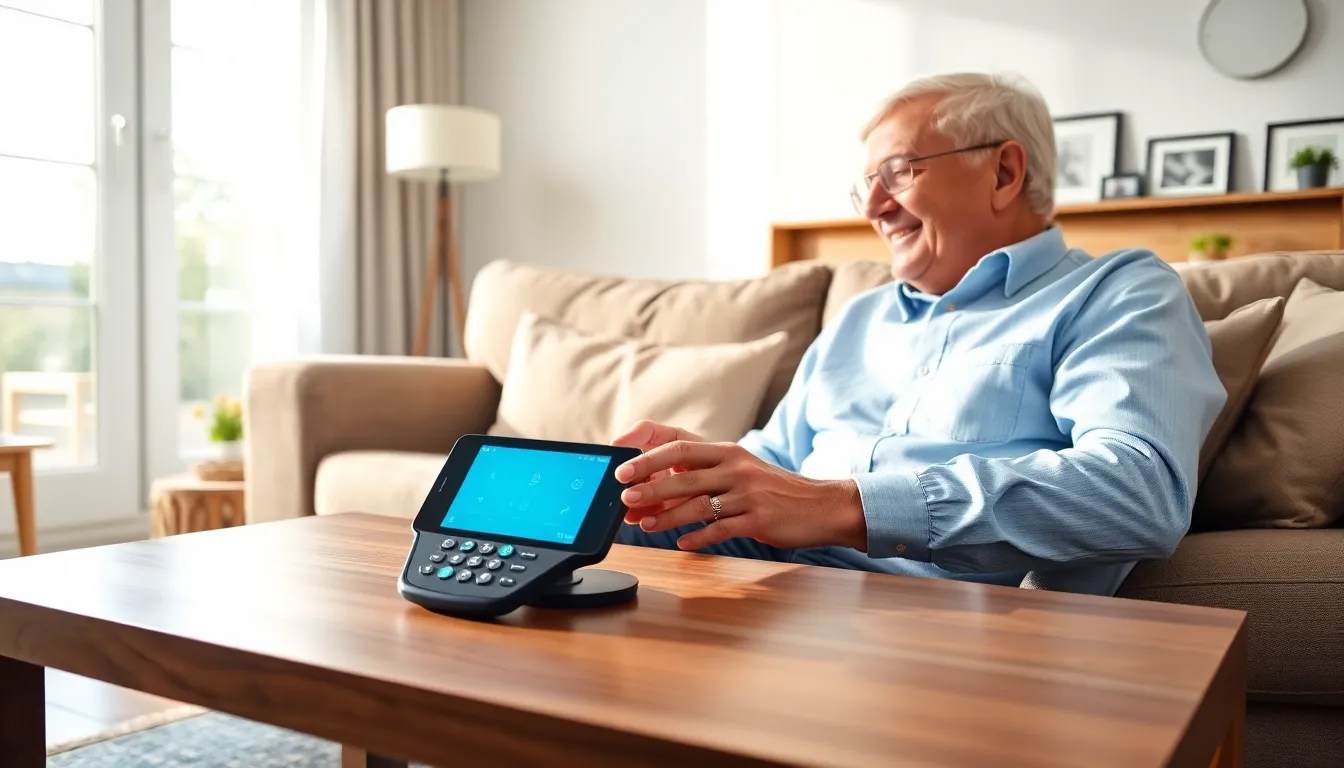
Seniors often face distinct challenges when it comes to technology. First and foremost, many older adults may have mobility issues or declining eyesight. These factors can make using conventional smartphones frustrating. Specialized phones cater to these needs, offering larger buttons, clear displays, and simplified interfaces. Also, the emotional connection that seniors have with communication cannot be overstated. Being able to keep in touch with family members and friends is essential, as it combats loneliness and promotes mental health. With phones tailored for seniors, they can engage in meaningful conversations without feeling overwhelmed by technology.
Features to Look for in Phones for Seniors
When selecting a phone for seniors, specific features can make all the difference. Large Buttons are crucial. They allow for easy dialing, reducing the chances of making mistakes. Loud and Clear Sound is also essential, especially for seniors with hearing difficulties. Look for devices with adjustable volume levels and speakerphone capabilities. Emergency Features can’t be overlooked either. Many specialized phones come with a dedicated SOS button that can alert emergency contacts instantly. Also, simplicity should be a top priority: a user-friendly interface with minimal distractions will lead to a more enjoyable experience. Finally, consider battery life. Seniors often forget to charge their devices, so a phone with extended battery life is ideal.
Top Phones for Seniors in 2025
As we look into 2025, several models stand out in the realm of phones designed for seniors. Jitterbug Smart3 is an excellent choice, featuring a large screen and straightforward interface. It also includes a built-in emergency button. For those who prefer a more traditional phone, the Jitterbug Flip offers similar features in a flip phone format. Samsung Galaxy A32 is another fabulous smartphone option that combines accessibility with modern technology. Its adjustable text size helps seniors read messages without straining their eyes. Finally, the Nokia 105 is a budget-friendly option that prioritizes durability and battery life, perfect for seniors who don’t need all the bells and whistles.
Comparing Feature Phones vs. Smartphones
When considering phones for seniors, it’s essential to weigh the differences between feature phones and smartphones. Feature Phones are simpler: they focus on basic functions such as calling and texting. Their user-friendly designs make them ideal for seniors who might struggle with smartphones. But, they lack advanced features like apps, internet browsing, and high-quality cameras. On the other hand, Smartphones provide a range of functionalities, making communication and entertainment more versatile. But with that versatility comes complexity. Seniors may find it challenging to navigate these devices. Eventually, the choice depends on the individual’s comfort level with technology.
Tips for Setting Up a Phone for Seniors
Setting up a phone for a senior can enhance their experience. Start by adjusting the text size in the settings to make reading easier. Arrange frequently used contacts for quick access on the home screen, and consider disabling unnecessary notifications to reduce distractions. Familiarize the user with key functions like dialing, texting, and accessing emergency services. Offering a short tutorial on how to use the phone ensures they feel confident and capable of handling it.
Considerations for Choosing the Right Phone
Selecting the right phone for a senior goes beyond just features. Consider their lifestyle and daily habits. For instance, is the senior active and on-the-go, or do they primarily use a phone at home? Active seniors may benefit from more robust models that can withstand drops and spills, while homebodies might prioritize larger screens. Always take their preferences into account as well: a design that appeals to them can encourage more frequent use. Finally, remember to discuss affordability. While some specialized phones can be pricier, options are available for nearly every budget, ensuring seniors can find a device that fits both their needs and wallets.