


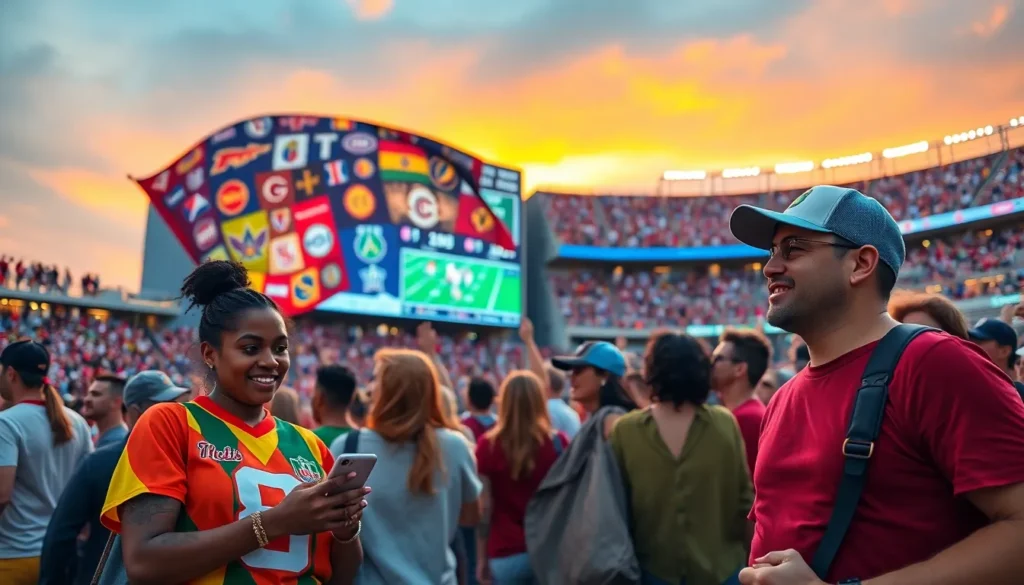
In an era where sports transcends mere competition, the intersection of sports and culture is becoming increasingly pivotal. This evolving relationship influences various facets from journalism to analytics, and even the experiences of fans. As the sporting world rapidly integrates with technological advancements, the landscape continues to change in favor of greater engagement and inclusivity. In this text, we investigate into the latest trends shaping this dynamic intersection, illustrating how they redefine the way sports are experienced and consumed today.
Understanding The Intersection of Sports and Culture
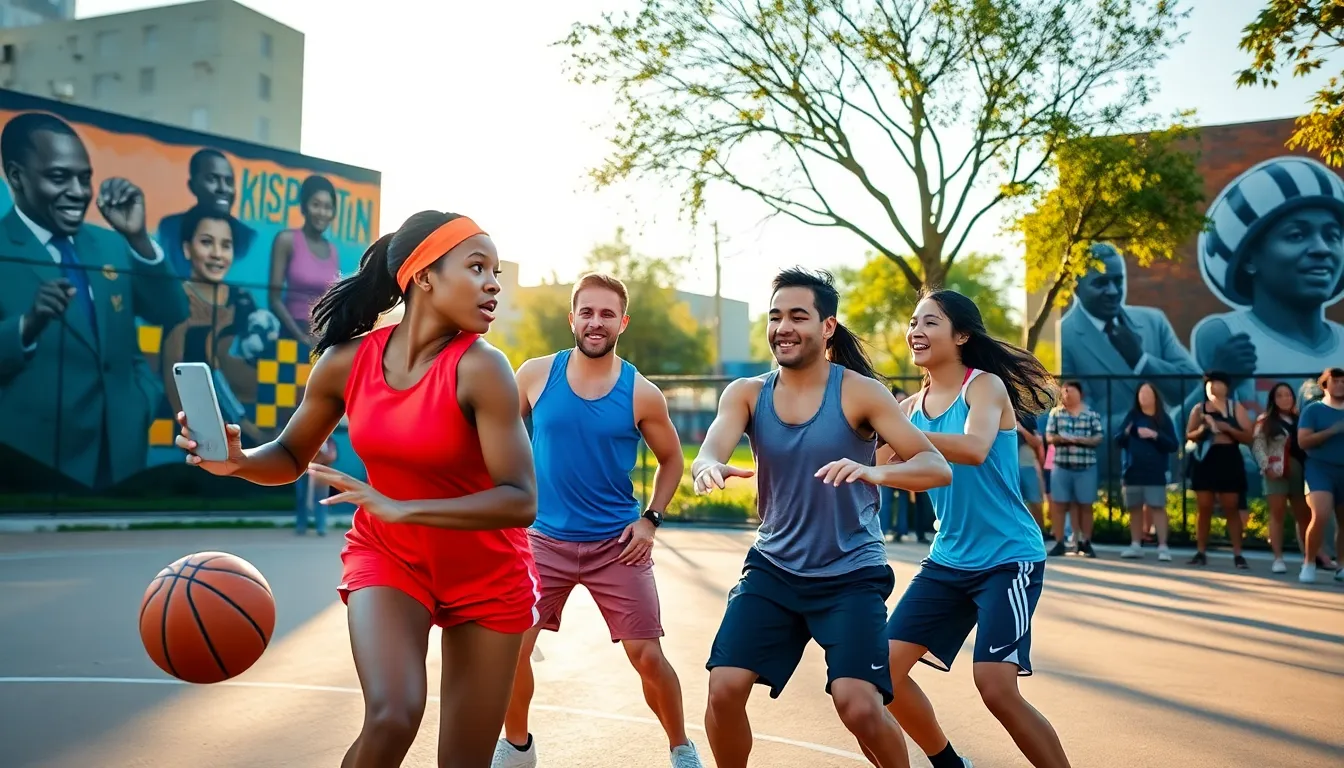
The relationship between sports and culture is an intricate tapestry woven through decades of evolution. Sports have historically reflected societal values, aspirations, and challenges, while simultaneously shaping cultural narratives. For instance, the rise of women’s sports parallels the broader societal movement toward gender equality, showcasing how athletics can serve as a platform for change. Also, global events such as the Olympics or World Cup transcend national boundaries, uniting diverse cultures in celebration of athletic talent. This intersection is not merely about competition: it’s also about identity, community, and shared experiences that bolster the social fabric.
Also, the blending of sports and cultural dynamics can be observed in how athletes become icons beyond their respective fields. Figures like Serena Williams and LeBron James leverage their platforms to address social issues, becoming advocates for change. As the public increasingly expects athletes to engage with these cultural dimensions, the boundaries between sports and societal discourse continue to blur.
The Evolution of Sports Journalism
The landscape of sports journalism has undergone a radical transformation in recent years, primarily fueled by the rise of digital media. Traditional outlets once dominated the reporting scene, but now, social media platforms and blogs are redefining how sports news is disseminated.
Social Media’s Influence on Sports Reporting
Social media platforms, like Twitter, Instagram, and TikTok, have become significant sources of sports news, enabling instant updates and interactions. Journalists are no longer the sole gatekeepers of information: fans, players, and teams now actively participate in the conversation, reshaping narratives in real-time. This immediacy can foster deeper connections between fans and their favorite sports figures, allowing for a direct line of communication that influences what stories gain traction.
Fan Interactions and Engagements
The evolving role of fans in sports journalism cannot be overstated. No longer passive consumers, they engage in discussions, share content, and even become content creators. This participation not only enhances the appeal of sports but also drives media engagement. Journalists and teams are now tasked with understanding audience sentiments and preferences, leading to a more interactive and engaging sports discourse.
The Role of Analytics in Sports Discourse
Data analytics has emerged as a game-changer in sports, influencing everything from player performance assessments to fan engagement strategies. Teams are leveraging data to gain competitive advantages, and this analytical approach is spilling into public discourse around sports as well.
Emerging Trends in Sports Marketing
As teams and brands uncover nuanced insights into fan behavior, marketing strategies have evolved to target audiences in more personalized ways. Data influences everything, from advertising to merchandise, aligning products more closely with fan expectations. Brands that deploy effective data-driven strategies can foster deep loyalty among fans, enhancing both engagement and profitability.
Sustainability and Ethics in Sports Sponsorships
The role of analytics also extends to scrutinizing ethics in sports sponsorship. In an age where consumers prioritize sustainability, brands are increasingly held accountable for their partnerships and practices. Transparent analytics enable teams to make informed sponsorship choices that resonate with a socially-conscious audience, reflecting broader cultural shifts toward sustainability and ethical consumption.
The Impact of Technology on Fan Experiences
Technology has revolutionized the fan experience, reshaping how audiences interact with sports. From streaming services to immersive environments, the integration of technology offers new avenues for fan engagement.
Streaming Services and Their Effect on Viewership
Streaming platforms have disrupted traditional broadcasting, enabling fans to consume sports content on their terms. With services like ESPN+, DAZN, and others, viewers can access a plethora of games and sports content at their convenience. This shift has expanded the viewership base, particularly among younger audiences who favor on-demand content over traditional cable television.
Virtual Reality in Sports Engagement
Also, technologies like virtual reality (VR) are taking fan engagement to new heights. Fans can experience games as if they were on the field, enhancing emotional connections to their favorite teams. Plus, VR technology is paving the way for new forms of interactive content that deepens fan involvement and enriches the sports viewing experience.
Conclusion
As sports continue to evolve, their intersection with culture will play a pivotal role in shaping both how they are reported and experienced. From the influence of social media and analytics to technological advancements that enhance viewer engagement, the landscape is continually changing. Recognizing these trends not only enriches the conversation surrounding sports but also underscores the cultural significance that athletic events can embody. As fans, athletes, and brands navigate this space, the potential for innovation and transformation remains vast, promising an exciting future for sports.