


In a world where one camera just isn’t enough, dual camera smartphones have stepped in like a superhero with a sidekick. These devices don’t just take pictures; they capture moments in stunning detail, making every selfie look like a magazine cover. With the ability to switch between lenses, users can achieve everything from breathtaking landscapes to artistic portraits, all while feeling like a professional photographer.
Overview of Dual Camera Smartphones
Dual camera smartphones feature two distinct cameras that work together to enhance image quality. Users often enjoy depth perception and versatility, making photography feel more dynamic. The primary camera captures standard images, while the secondary one focuses on specific effects like bokeh or zoom.
A range of features sets dual camera smartphones apart from single lens models. Wide-angle and telephoto combinations are common, allowing users to capture both expansive scenes and detailed shots. Portrait modes leverage the secondary camera for refined background blur, mimicking professional cameras.
Many brands incorporate dual camera systems across various models, catering to diverse consumer needs. For instance, one camera might focus on color accuracy, while the other emphasizes low-light performance. This synergy allows users to obtain the best possible images in myriad environments.
Industry studies indicate that consumers prioritize camera quality in their purchasing decisions. Nearly 70% of smartphone users rank camera capabilities as highly important. As such, manufacturers continuously innovate to improve dual camera technology, striving for clearer images and increased functionality.
The popularity of dual camera smartphones highlights a shift towards photography as a central smartphone feature. Users frequently share images on social media, making high-quality photo capabilities essential for engagement. The evolution of these devices fosters a growing community of photography enthusiasts.
Advantages of Dual Camera Smartphones
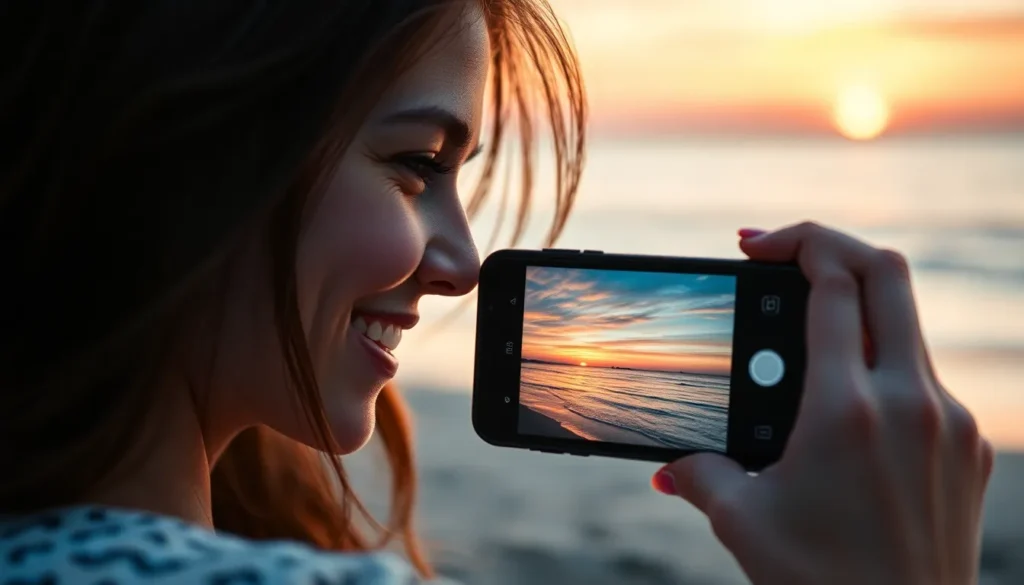
Dual camera smartphones offer significant benefits that enhance user experience in photography. Users experience superior image quality and depth perception, making these devices highly sought after.
Enhanced Image Quality
Dual camera systems improve overall image quality. The primary camera captures detailed images, while the secondary camera enhances color accuracy and low-light performance. By working together, both cameras produce well-balanced, vibrant photos in various conditions. Many smartphones now feature advanced image processing software that complements hardware enhancements. As a result, users can expect clearer and sharper images, ensuring every photo looks professional. This capability aligns with the fact that nearly 70% of smartphone users prioritize camera quality in their purchasing decisions.
Improved Depth Perception
Improved depth perception sets dual camera smartphones apart. One camera typically provides a wide perspective, while the other captures depth information. This combination creates a more realistic three-dimensional effect in photos. Users can achieve stunning bokeh effects, where the subject remains in focus while the background blurs artistically. Enhanced depth perception enables users to explore creative photography and can elevate everyday scenes. This feature contributes to users’ preferences for smartphones that excel in photography, resulting in increased social media engagement.
Popular Dual Camera Smartphone Models
Dual camera smartphones enhance photography and offer a range of features. Here are two popular models that stand out in the market.
Model 1: Features and Performance
The Samsung Galaxy S21 features a dual camera setup with a wide angle lens and a telephoto lens. It captures stunning 64 MP photos and supports 30x Space Zoom. Users enjoy vibrant colors and high detail in both daylight and low-light conditions. Advanced image processing capabilities enhance photo quality, making it perfect for sharing on social media. A seamless interface simplifies switching between lenses, providing flexibility for various photography styles. With nearly 70% of smartphone users prioritizing camera quality, this model meets high standards while catering to photography enthusiasts.
Model 2: Features and Performance
The iPhone 13 boasts an impressive dual camera system, including a 12 MP wide lens and a 12 MP ultra-wide lens. Users benefit from features like Night mode and Photographic Styles, which enhance image quality in different lighting environments. Reliability in low-light settings distinguishes this smartphone from others. The cinematic mode allows for professional-grade video creation, adding artistic flair to content. Social media sharing feels effortless, as users experience exceptional performance in various shooting scenarios. This model’s focus on camera quality aligns with consumer preferences, making it a top choice for those seeking advanced photography capabilities.
Comparison with Single Camera Smartphones
Dual camera smartphones stand out when compared to single camera devices. Enhanced image quality defines their superiority, thanks to two distinct lenses working together. Users experience improved depth perception, allowing for more realistic photographs. This capability sets dual camera systems apart from their single lens counterparts.
When users take photos using a dual setup, the primary camera captures the main image. Meanwhile, the secondary camera offers unique features like bokeh effects and improved low-light performance. For instance, a combination of wide-angle and telephoto lenses allows photographers to shoot expansive landscapes and zoom in on intricate details. Single camera smartphones lack this versatility, limiting creative potential.
Many consumers prioritize camera quality in their purchasing decisions, with nearly 70% indicating it as a key factor. Increased demand for better photography has driven manufacturers to innovate constantly, leading to advanced dual camera technologies. Brands recognize the trend, creating models that cater to diverse photography needs.
Price differences also emerge between dual and single camera smartphones. While dual models often come at a higher cost due to their advanced technologies, the enhanced photography experience they provide justifies the investment. Users looking for professional-grade results inevitably lean toward dual camera options, strengthening their appeal.
Ultimately, the clear advantages of dual camera smartphones position them as top choices for photography enthusiasts. Improved image quality, depth perception, and versatility significantly elevate user experiences. Many see these devices as necessary tools for capturing stunning images worthy of sharing on social media platforms.
Future Trends in Dual Camera Technology
Emerging trends in dual camera technology focus on advanced image processing and artificial intelligence integration. AI capabilities enhance photography, allowing smartphones to analyze scenes and optimize settings in real-time. For instance, users can expect improved night mode performance, delivering clearer images even in low-light conditions.
Developments in optical zoom technology are also noteworthy. Telephoto lenses are becoming more sophisticated, offering higher magnification and maintaining image clarity at distance. With this enhancement, users can capture stunning details from afar, making these smartphones ideal for wildlife and sports photography.
Software advancements will play a crucial role in shaping future dual camera systems. Powerful algorithms now enable features such as automated background blurring for professional-grade portraits. Users will appreciate convenience as these features reduce the need for post-processing.
Trends suggest that smartphone manufacturers will explore additional lens combinations. New partnerships between brands may lead to unique dual lens systems that offer varied benefits. For instance, a combination of monochrome and color sensors can enhance detail and dynamic range, appealing to photography enthusiasts.
Environmental considerations will shape future product offerings. Companies are increasingly focusing on sustainable materials and production practices. This shift is likely to resonate with socially conscious consumers who prioritize eco-friendliness.
Innovations in connectivity and augmented reality integration will become integral for dual camera smartphones. Enhanced AR features will allow users to overlay images or effects on live views, blending digital elements seamlessly with real-world photography. As the demand for creative features grows, manufacturers will respond.
Data indicates that nearly 70% of smartphone users prioritize camera quality in their purchasing decisions. This consumer insight drives manufacturers to invest heavily in dual camera technology, meeting the high standards of users who share their photography on social media platforms.
Dual camera smartphones are revolutionizing the way users capture and share their experiences. With their ability to deliver superior image quality and enhanced depth perception, these devices cater to the growing demand for professional-level photography in everyday life. As technology continues to advance, the integration of AI and innovative lens combinations will further elevate the photography experience.
For those who prioritize camera quality, investing in a dual camera smartphone is a decision that pays off. These devices not only meet the expectations of photography enthusiasts but also adapt to the evolving landscape of social media, making them essential tools for creative expression.