


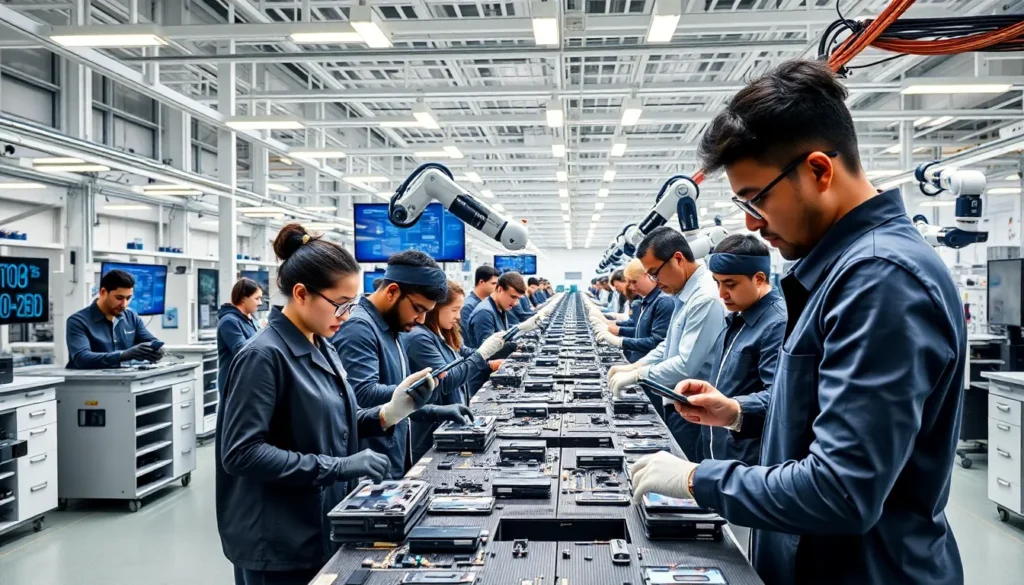
Ever wondered where those sleek Pixel phones are born? If you thought they just magically appear in your hands, think again. The journey of a Pixel phone is a fascinating tale of international intrigue, advanced tech, and a sprinkle of manufacturer sweat. Let’s jump into the world of Pixel phone production, where precision meets efficiency and a dash of everyday humor.
Overview of Pixel Phone Manufacturing
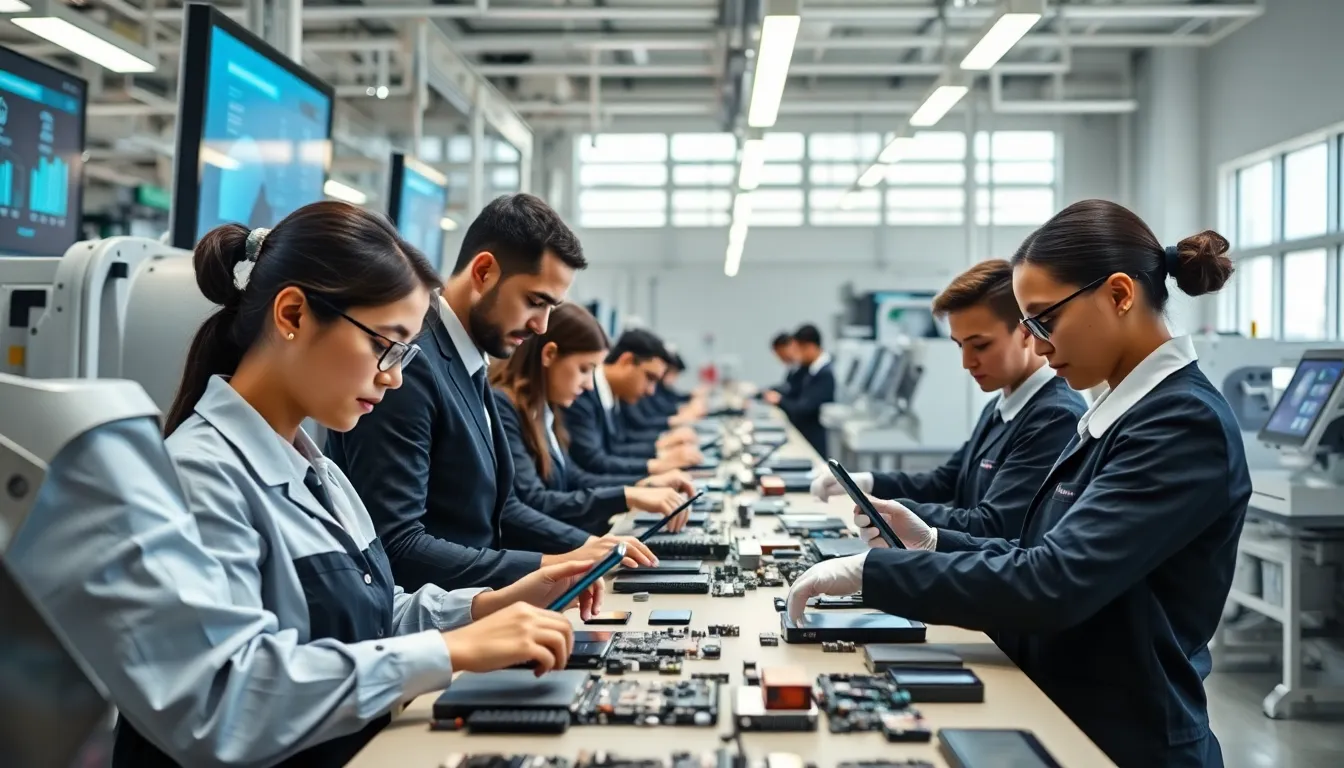
When it comes to the manufacturing of Pixel phones, it’s not just a simple task of throwing parts together. The process is a meticulously orchestrated symphony involving numerous players. From cutting-edge technology to skilled labor, each component and step ensures that every Pixel device meets the high standards set by Google. The company relies heavily on diverse supply chains and on-the-ground expertise, showcasing a blend of innovation and production savvy. This means that every Pixel reflects not only the expertise of its makers but also the technological advancements of today’s tech landscape.
Key Manufacturing Locations
Pixel phones are crafted across several key locations around the globe. Primarily, central facilities are located in Asia, where manufacturing giants are well-equipped to handle the complex assembly of electronic devices. Notably, countries like China and Vietnam are pivotal in the production process. While China handles a significant portion, thanks to its robust manufacturing ecosystem, Vietnam has increasingly become a preferred location for assembly due to its more favorable trade conditions and lower costs. Other regions like India are also being tapped for production, reflecting a strategic shift as companies diversify their manufacturing footprints.
Supply Chain and Logistics
Navigating the world of supply chains can be as tricky as trying to find the last slice of pizza at a party. For Pixel phones, an efficient supply chain is crucial to their production. It begins with sourcing raw materials from various corners of the Earth, think everything from specialized glass to high-tech semiconductors. After assembling components in factories, the logistics journey continues as these parts are transported to assembly plants. Timeliness is essential. Disruptions can lead to delays, affecting product launches and customer satisfaction. Google relies on an intricate web of suppliers and logistics partners to keep everything moving smoothly.
The integration of advanced technology in logistics, including AI and real-time tracking systems, enhances efficiency, enabling Google to respond swiftly to any hiccups along the route.
The Role of Technology in Production
Technology isn’t just a buzzword: it’s the backbone of Pixel phone manufacturing. Modern production lines employ automation and robotics to enhance precision and speed. In facilities, robotic arms work tirelessly, assembling components faster than you can say ‘tech-savvy.’ These machines significantly reduce human error while improving overall quality.
Also, innovative technologies like 3D printing are beginning to find their way into the production process, allowing for rapid prototyping and the creation of customized components. The incorporation of cutting-edge software for design and testing further ensures that the final product meets Google’s high standards before hitting the shelves.
Quality Control and Standards
Quality control stands as a pillar in the manufacturing of Pixel phones. Google emphasizes the importance of maintaining high standards throughout production. This isn’t just about looking good on the outside: it’s about what’s inside that counts too. Rigorous testing protocols are in place to ensure every feature, from the camera to internal components, functions as intended.
Factories are equipped with state-of-the-art testing facilities where each unit undergoes a series of checks. Whether it’s stress testing or temperature testing, the aim is to ensure durability and reliability. This fluctuation in quality assurance processes sets Pixel phones apart from competitors, making users feel confident in their purchase.
Future of Pixel Phone Manufacturing
As technology evolves, so too does the manufacturing landscape for Pixel phones. Future trends suggest an increased focus on sustainability and energy efficiency in production. Google has expressed commitments to reducing its carbon footprint, which could lead to greener manufacturing practices. This embraces eco-friendly materials and energy sources, ensuring that Pixel phones not only deliver top-notch performance but also align with consumers’ growing desire for sustainability.
Besides, advancements in artificial intelligence and machine learning may enhance production efficiency, paving the way for a new era of manufacturing that responds intelligently to market demands.