



In a world where carbon emissions are the new villain in our superhero story, decarbonization technology swoops in like a caped crusader. It’s not just a fancy buzzword; it’s the key to saving our planet and maybe even your sanity. Imagine a future where clean air is the norm and climate change is just a plot twist in a bad sci-fi movie. Sounds dreamy, right?
Overview of Decarbonization Technology
Decarbonization technology encompasses various techniques and innovations aimed at reducing carbon dioxide emissions. Technologies actively capture and store carbon emissions from industrial processes and power generation. Carbon capture and storage (CCS) serves as a vital method, trapping CO2 before it enters the atmosphere.
Renewable energy solutions like solar, wind, and hydro power play significant roles in reducing reliance on fossil fuels. These alternatives provide cleaner energy sources and lower greenhouse gas emissions. Moreover, energy efficiency improvements in buildings and transportation also contribute significantly to decarbonization efforts.
Electrification of transportation represents another crucial strategy for achieving carbon neutrality. Electric vehicles eliminate tailpipe emissions and utilize renewable energy for charging, further reducing fossil fuel dependency.
Hydrogen production through electrolysis offers promising potential. This process generates hydrogen from water using renewable energy, creating a clean fuel that can replace conventional fossil fuels in various applications.
Bioenergy technologies utilize organic materials to generate energy. This method not only sequesters carbon but also manages waste effectively. Innovative approaches in carbon utilization convert waste CO2 into valuable products like fuels or chemicals.
Decarbonization technology is not merely a single solution but a combination of methods tailored to specific sectors and processes. Collaboration among industries, governments, and researchers accelerates the adoption of these technologies. As a collective effort, these strategies position society towards a sustainable and resilient future.
Types of Decarbonization Technologies
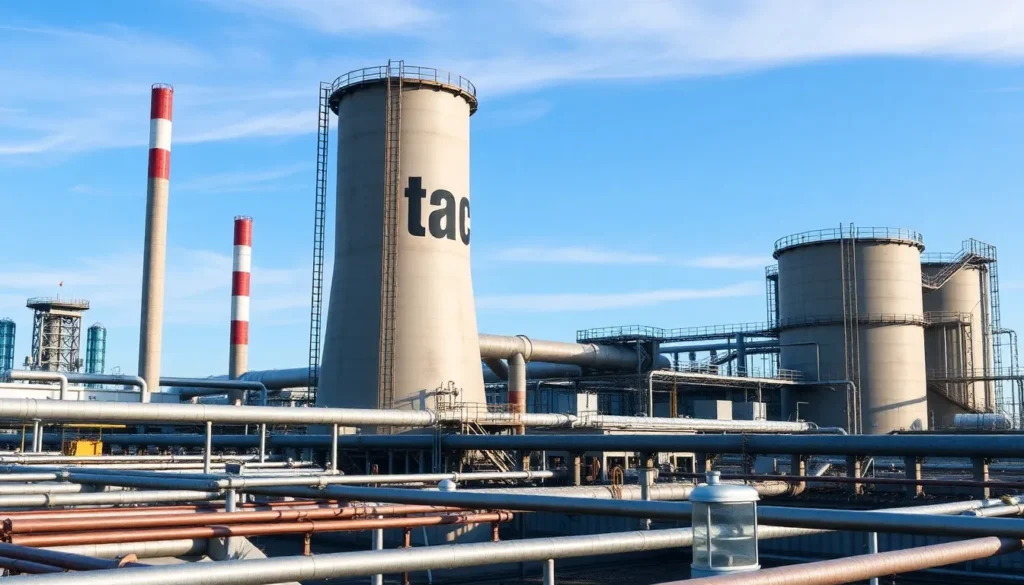
Decarbonization technology encompasses various methods that aim to reduce carbon emissions across multiple sectors. Here are some key types of these technologies.
Carbon Capture and Storage
Carbon capture and storage (CCS) plays a vital role in mitigating carbon dioxide emissions. This technology involves capturing CO2 from industrial processes before it can enter the atmosphere. Once captured, CO2 is transported and stored underground in geological formations. Many facilities utilize this method to significantly lower their carbon footprint. Research indicates that CCS could reduce global emissions by up to 14% by 2050. Continued advancements in this technology enhance its efficiency, making it a critical component of decarbonization strategies.
Renewable Energy Solutions
Renewable energy solutions, including solar, wind, and hydro power, are essential in the transition from fossil fuels. These energy sources generate clean electricity, thereby reducing greenhouse gas emissions. A significant shift toward these alternatives could decrease dependence on coal and natural gas. For instance, data shows that solar power alone can reduce carbon emissions by more than 80% over its lifetime compared to fossil fuels. Innovations in energy storage and grid integration further improve the effectiveness of renewable energy solutions.
Benefits of Decarbonization Technology
Decarbonization technology offers substantial benefits across various sectors, contributing to a sustainable future. These advantages notably enhance environmental conditions and open up economic opportunities.
Environmental Impact
Decarbonization significantly lowers greenhouse gas emissions. Carbon capture and storage techniques can capture up to 90% of CO2 emissions from power plants and industrial processes. Renewable energy sources like solar and wind power can cut carbon emissions by over 80% compared to fossil fuels throughout their lifetimes. Enhancements in energy efficiency in buildings can decrease energy consumption by up to 30%. These efforts cumulatively help mitigate climate change effects, fostering a cleaner atmosphere conducive to health and biodiversity.
Economic Opportunities
Innovations in decarbonization create new economic prospects. The global carbon capture and storage market is projected to reach $8.3 billion by 2025 due to rising demand. Electrification of transportation, especially via electric vehicles, generates jobs in manufacturing, infrastructure, and maintenance. Renewable energy industries also employ millions, contributing to robust economic growth. Bioenergy technologies can revitalize rural economies by promoting sustainable farming practices and managing waste effectively. Overall, embracing decarbonization leads not only to environmental benefits but also stimulates significant economic development.
Challenges in Implementing Decarbonization Technology
Decarbonization technology faces several challenges that hinder widespread adoption and effectiveness. Understanding these obstacles is crucial for developing effective strategies to overcome them.
Technological Barriers
Technological barriers impede the rapid deployment of decarbonization solutions. Existing infrastructure often lacks compatibility with newer technologies, requiring substantial investment for upgrades. Carbon capture and storage technologies, despite their potential to capture up to 90% of CO2, encounter operational limitations and high costs. Moreover, renewable energy sources like solar and wind depend on storage solutions, which are still underdeveloped. Reliability issues in energy storage systems must also be addressed to ensure consistent power supply. Companies and researchers continuously work on innovative technological advancements to increase efficiency and reduce costs.
Policy and Regulatory Issues
Policy and regulatory issues represent significant challenges for decarbonization initiatives. Governments must develop comprehensive regulations that encourage the adoption of decarbonization technologies while ensuring market stability. Inconsistent policies across regions lead to confusion and enforcement difficulties, slowing down investment in these technologies. Incentives such as tax credits and subsidies can promote the use of renewable energy, but their effectiveness varies. Environmental regulations need to establish clear benchmarks for emissions reduction to guide industries. Stakeholders must collaborate to create a coherent and supportive policy framework that drives decarbonization efforts.
Future Trends in Decarbonization Technology
Emerging trends in decarbonization technology focus on innovative approaches for reducing carbon emissions. Carbon capture and storage advancements improve efficiency, aiming to capture up to 90% of CO2 emissions from industrial sources. The development of direct air capture systems offers a new method to sequester carbon directly from the atmosphere, enhancing the overall effectiveness of existing strategies.
Changes in renewable energy technologies also significantly impact future trends. Improved battery storage solutions are essential for increasing the reliability of renewable energy sources. Advancements in solar panel efficiency further decrease costs and enhance output, making solar a more attractive option for a wider audience.
New initiatives in hydrogen production continue to gain traction. Green hydrogen, produced using renewable energy sources, presents a clean alternative for various sectors, including transportation and heavy industry. This clean fuel could play a critical role in decarbonizing hard-to-abate sectors.
Bioenergy technologies are also evolving. Innovative approaches to converting organic waste into energy not only support waste management but also contribute to carbon neutrality. Sustainable practices in agriculture further enhance the benefits of bioenergy, aligning with decarbonization goals.
The economic landscape surrounding decarbonization technology continues to expand. The carbon capture and storage market is projected to reach $8.3 billion by 2025, signaling robust investment opportunities. Job creation in transportation electrification and renewable energy sectors highlights the potential for economic growth linked to sustainability efforts.
Collaboration among industries, governments, and researchers is becoming increasingly vital. A supportive policy framework encourages partnerships, fostering a rapid transition to sustainable practices. Addressing technological, policy, and cost challenges remains critical for accelerating the adoption of decarbonization technologies.
Decarbonization technology stands at the forefront of the battle against climate change. Its innovative methods and strategies promise to reshape the future by significantly reducing carbon emissions across various sectors. As advancements continue to emerge the potential for a cleaner environment and sustainable economy grows ever closer.
Overcoming existing challenges requires a united effort from industries governments and researchers. By fostering collaboration and developing supportive policies the transition to decarbonization can accelerate. The benefits extend beyond environmental impact creating economic opportunities and enhancing energy security.
With continued investment and innovation decarbonization technology can pave the way for a resilient future where clean air and sustainable practices are the norm.