


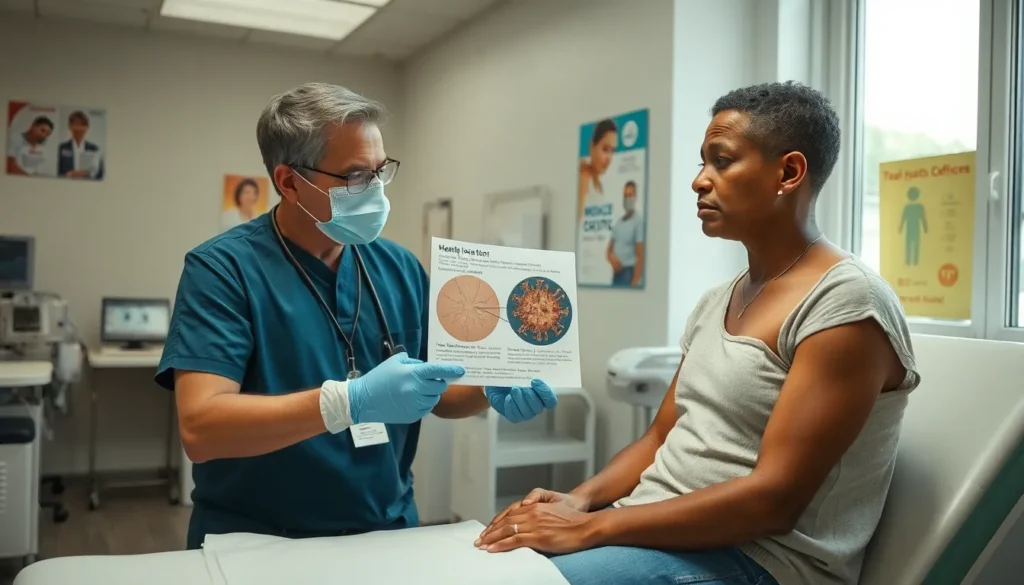
In a world where new health trends seem to pop up like mushrooms after a rainstorm, monkeypox has swung into the spotlight. But before anyone starts daydreaming about cuddly monkeys or exotic vacations, it’s crucial to understand what this virus really is. Spoiler alert: it’s not the cute petting zoo experience you might think!
Understanding Monkey Pox
Monkeypox is a viral disease caused by the monkeypox virus. This virus belongs to the Orthopoxvirus genus, which also includes smallpox and cowpox. Initially recognized in laboratory monkeys, this zoonotic disease primarily infects rodents and is occasionally transmitted to humans.
Transmission occurs through direct contact with infected animals, bodily fluids, or rashes. Human-to-human transmission can happen via respiratory droplets, which makes close contact a risk factor. Symptoms may include fever, rash, and lymphadenopathy, often resembling other viral infections.
The incubation period lasts from 5 to 21 days. Usually, individuals display initial symptoms before the characteristic rash appears. Rashes can develop anywhere on the body, transforming from macules to papules and eventually to vesicles before crusting over.
Infection rates vary but outbreaks have increased since 2022, particularly in non-endemic countries. It’s crucial to differentiate monkeypox from similar infections due to the potential for misdiagnosis. The World Health Organization recognizes the need for public awareness to reduce stigma and enhance understanding.
Vaccination offers some protection, especially for those at high risk. Smallpox vaccines can provide cross-protection against monkeypox. Individuals exposed to confirmed cases may require post-exposure prophylaxis within a specific timeframe.
Current statistics reveal over 80 confirmed monkeypox cases in the United States as of October 2023. Preparing for potential outbreaks involves public health measures and education about transmission risks. Awareness campaigns highlight the importance of recognizing symptoms and seeking timely medical advice.
Understanding monkeypox empowers communities and healthcare providers to manage outbreaks effectively. This knowledge facilitates better decisions regarding vaccinations and public health strategies.
Transmission Methods
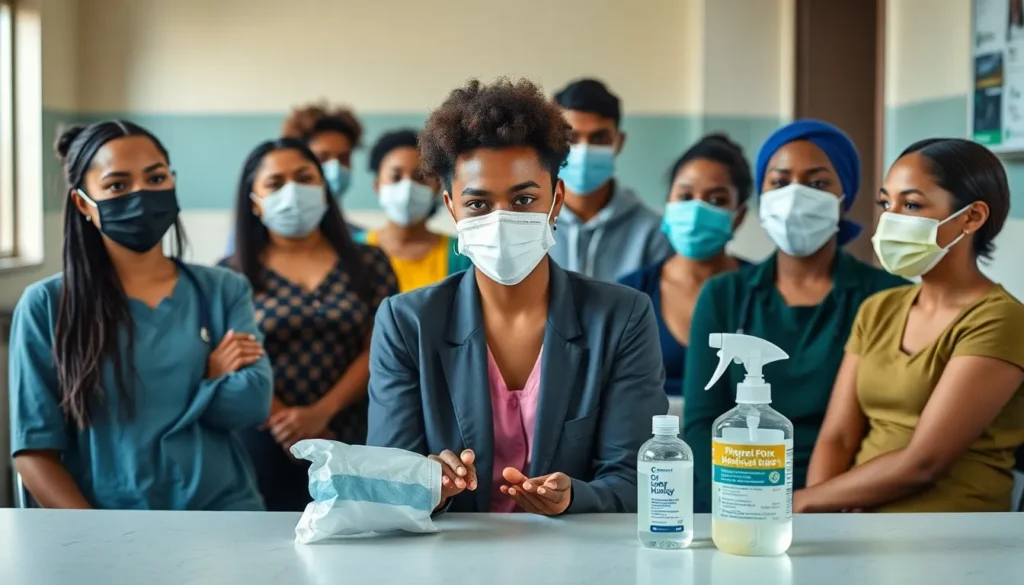
Monkeypox spreads through various methods. Understanding these transmission methods helps in preventing infection.
Close Contact with Infected Individuals
Close contact with infected individuals is a primary transmission route for monkeypox. Skin-to-skin contact during activities such as hugging or sexual relations significantly increases risk. Respiratory droplets can transfer the virus during prolonged, face-to-face interactions. Sharing bedding or personal items with someone who has monkeypox also poses a danger. It’s crucial for individuals displaying symptoms or confirmed cases to isolate themselves to limit spread. Public health measures, including wearing masks and practicing good hygiene, remain essential in containing transmission.
Contaminated Surfaces and Objects
Contaminated surfaces and objects can harbor the monkeypox virus. Touching surfaces that an infected person has recently come in contact with can lead to infection. The virus can persist on various materials such as clothes, bedding, and utensils. Cleaning and disinfecting frequently touched items helps reduce risk. Using appropriate disinfectants on surfaces may effectively inactivate the virus. Individuals should exercise caution around shared spaces, especially in healthcare settings and communal living areas, to prevent outbreaks. Understanding transmission through these vectors aids in effective prevention strategies.
Symptoms and Diagnosis
Recognizing the symptoms of monkeypox is crucial for early diagnosis. Various signs may appear following the incubation period.
Early Symptoms to Watch For
Early symptoms commonly include fever, headaches, muscle aches, and fatigue. Additionally, swollen lymph nodes often occur within 1 to 3 days after fever onset. Rashes or lesions typically develop 1 to 5 days later, often beginning on the face before spreading to other body parts. Notably, these rashes may progress through several stages, resembling blisters or pustules. Maintaining awareness of these symptoms can lead to timely medical consultation.
Testing for Monkey Pox
Testing plays an essential role in diagnosing monkeypox. Healthcare providers conduct PCR tests on lesion samples to confirm the presence of the virus. Additionally, blood tests can help identify antibodies against the virus, supporting the diagnosis. Early testing is vital, especially for individuals exhibiting symptoms or known exposure to confirmed cases. Rapid identification of infections enables prompt isolation and treatment, helping to control outbreaks effectively.
Prevention Strategies
Preventing monkeypox involves vaccination and safe practices. Public awareness enhances the ability to reduce transmission risks.
Vaccination Opportunities
Vaccination remains a key strategy against monkeypox. Smallpox vaccines provide potential protection for those at high risk. For individuals exposed to the virus, vaccination within four days may prevent the onset of disease. In the United States, several health departments offer monkeypox vaccination clinics. Accessing these clinics helps individuals stay informed and receive necessary vaccinations promptly. Monitoring local health guidance ensures awareness of vaccination availability.
Safe Practices to Avoid Infection
Practicing good hygiene significantly lowers the risk of infection. Washing hands frequently with soap and water or using hand sanitizer eliminates potential virus exposure. Avoid sharing personal items, such as towels and utensils, as these can harbor the virus. Maintaining a safe distance from individuals exhibiting symptoms is crucial. Wearing masks during close interactions helps reduce the likelihood of respiratory droplet transmission. Cleaning and disinfecting surfaces often supports a safer environment, contributing to public health efforts.
Understanding monkeypox is essential for public health and safety. As infection rates rise in various regions it’s crucial to recognize symptoms and know how the virus spreads. By staying informed and practicing preventive measures individuals can significantly reduce their risk of infection. Vaccination remains a vital tool for those at higher risk while good hygiene and awareness of transmission methods play key roles in controlling outbreaks.
Continued education and open conversations about monkeypox can help dispel stigma and promote healthier communities. Staying vigilant and proactive is the best way to protect oneself and others from this emerging health concern.